

The Kombucha Shop Update | Shark Tank Season 10
While teaching families about nutrition in Washington, D.C., Kate Field started making kombucha at home, but couldn’t find a simple kit to help her. She created The Kombucha Shop, a complete kit that makes it easy and safe for anyone to brew kombucha in their own kitchen. Will the sharks get behind the idea? Let’s find out in The Kombucha Shop update and pitch recap.
If you’re short on time, here’s a quick overview of what happened to The Kombucha Shop after
Kate entered
In terms of The Kombucha Shop update, the company experienced a surge in orders and expanded its retail reach, including into Whole Foods. It was later acquired in a multi-million-dollar deal by entrepreneur Habib Bakshi.
| Shark | Result |
| Barbara Corcoran & Sara Blakely | Accepted offer of $200,000 for 10% equity, plus a $150,000 line of credit |
| Kevin O’Leary | $350,000 for 20% equity |
| Mark Cuban | No offer |
| Lori Greiner | No offer |
Shark Tank The Kombucha Shop Pitch
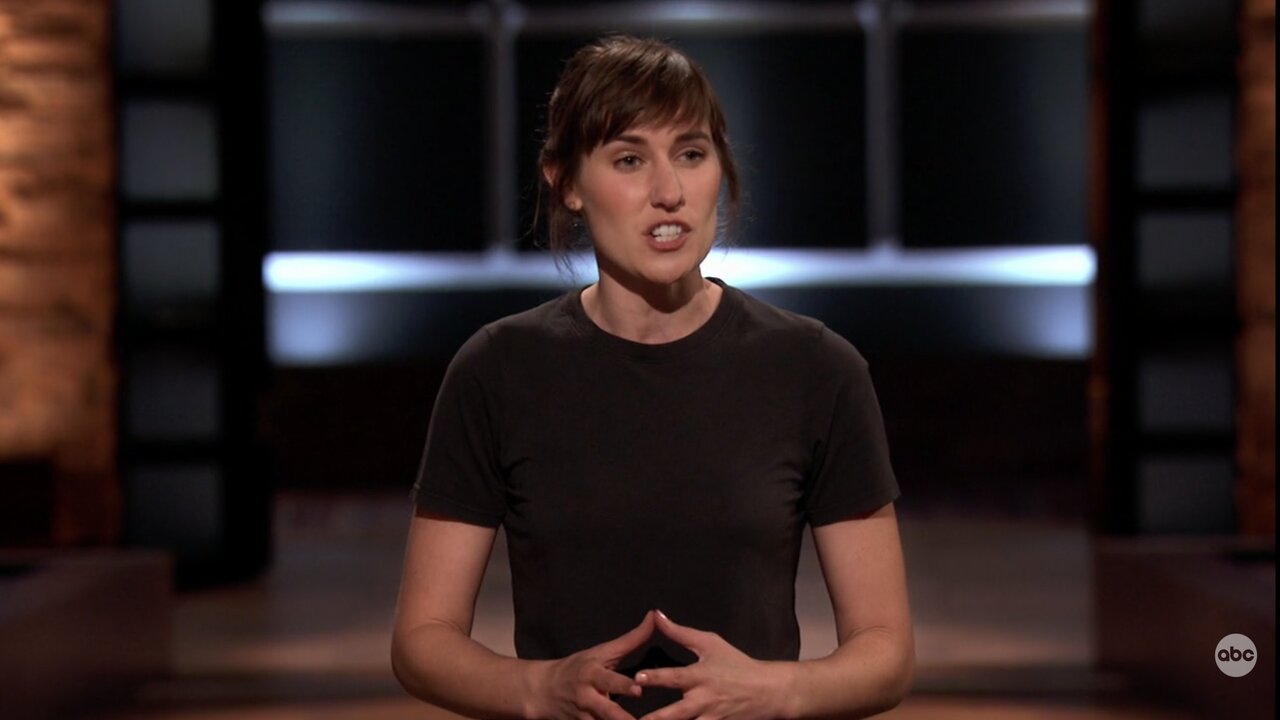
- Entrepreneur: Kate Field
- Business: Kombucha tea
- Ask: $350,000 for 10% equity
- Result: $200,000 for 10% equity, plus a $150,000 line of credit
- Sharks: Barbara Corcoran and Sara Blakely
Kate began her pitch by unveiling a jar containing a SCOBY, the key ingredient needed to brew kombucha at home.

As she lifted it out, the sharks visibly cringed at its appearance.
Kate quickly admitted that while it looked unpleasant, the SCOBY was essential for making kombucha, a fizzy, probiotic-rich tea.
She went on to explain that store-bought kombucha was expensive, often costing between $3 and $5 per bottle.
Although brewing it at home was far cheaper, the process intimidated many people. To solve that problem, Kate created The Kombucha Shop.
Next, she introduced her line of homebrew kits. She explained that her kits made it easy for customers to brew kombucha at home for about $0.25 per bottle.
Additionally, customers could create their own custom flavors, adding to the fun and flexibility.
At the time of filming, Kate shared that The Kombucha Shop had already achieved $3.2 million in lifetime sales.
She also noted she was on track to generate between $1.6 million and $1.7 million that year.
Kate then handed out samples to the sharks. As they tasted the kombucha, several joked about its unusual flavor.
Kevin O’Leary asked why anyone would go through so much trouble just to drink it.
Gust shark Sara Blakely responded by saying kombucha often becomes addictive once you get used to it.
Kate emphasized that she didn’t need to make any health claims to sell her product. Her customers were already well-informed about kombucha’s benefits.
Lori Greiner also commented on how healthy Kate looked, reinforcing that her appearance aligned with the product’s appeal.
Lori asked where Kate sold her products. Kate revealed that she primarily sold through her website.
When Mark Cuban asked if she had used crowdfunding platforms, Kate proudly said she had bootstrapped the business from just $800.
However, Kate admitted she needed an investment to scale into retail stores like Whole Foods. She had mastered online sales but needed help scaling into new markets.
Kate explained that all her sales came from organic traffic, without any advertising. Nonetheless, she recognized that competition was growing and she needed to act quickly.
At this point, Kevin voiced concerns about her retail expansion plan. Despite his doubts, he still made an offer of $350,000 for 20% equity.
Meanwhile, Lori decided not to invest, explaining that she didn’t love kombucha enough to back the business.
Just as Sara seemed ready to bow out as well, Barbara Corcoran quickly suggested that they both partner on a deal.
Together, they offered Kate $200,000 for 10% equity, along with an additional $150,000 as a line of credit.
As Mark Cuban prepared to speak, Kate immediately accepted Barbara and Sara’s offer, leaving with a deal.
Now, what happened to the company after
Shark Tank The Kombucha Shop Update
According to our The Kombucha Shop update, the deal with Barbara Corcoran and Sara Blakely didn’t go through.
Still, the company received over 15,000 orders after airing. They used this momentum to expand distribution into select Whole Foods locations in the Midwest.
In January 2021, Kate sold the company in a multi-million-dollar acquisition to entrepreneur Habib Bakshi.
He’s the CEO of a digital marketing agency that manages over $1.8 billion in ecommerce revenue.
Since the acquisition, Bakshi has kept the brand intact and focused on scaling online. The Kombucha Shop now sells brewing kits directly through its website and on Amazon.
Our The Kombucha Shop update found that the company does around $2 million in yearly revenue.
Kate has since moved on to new ventures, while Bakshi continues to run the company.
If we learn anything new, we will let you know in our next The Kombucha Shop update.
In the meantime, you can check out our other company updates from Season 10 Episode 5 by following the links below!
For even more on companies and products, be sure to stop by our Season 10 products page before you go!

Andrew is a lifelong fan of Shark Tank and an entrepreneur at heart. He started Shark Tank Recap because he wanted a single place to track what happens to the companies, founders, and deals after they air on TV. With a sharp eye for business insights and a passion for all things Shark Tank, Andrew makes sure every recap is accurate, engaging, and fun.
- Andrew Smith
- Andrew Smith
- Andrew Smith
- Andrew Smith
- Andrew Smith
- Andrew Smith
- Andrew Smith
- Andrew Smith
- Andrew Smith
- Andrew Smith
- Andrew Smith
- Andrew Smith
- Andrew Smith
- Andrew Smith
- Andrew Smith
- Andrew Smith
- Andrew Smith
- Andrew Smith
- Andrew Smith
- Andrew Smith
- Andrew Smith
- Andrew Smith
- Andrew Smith
- Andrew Smith
- Andrew Smith
- Andrew Smith
- Andrew Smith
- Andrew Smith
- Andrew Smith
- Andrew Smith
- Andrew Smith
- Andrew Smith
- Andrew Smith
- Andrew Smith
- Andrew Smith
- Andrew Smith
- Andrew Smith
- Andrew Smith
- Andrew Smith
- Andrew Smith
- Andrew Smith
- Andrew Smith
- Andrew Smith
- Andrew Smith
- Andrew Smith
- Andrew Smith
- Andrew Smith
- Andrew Smith
- Andrew Smith
- Andrew Smith
- Andrew Smith
- Andrew Smith
- Andrew Smith
- Andrew Smith
- Andrew Smith
- Andrew Smith
- Andrew Smith
- Andrew Smith
- Andrew Smith
- Andrew Smith
- Andrew Smith
- Andrew Smith
- Andrew Smith
- Andrew Smith
- Andrew Smith
- Andrew Smith
- Andrew Smith
- Andrew Smith
- Andrew Smith
- Andrew Smith
- Andrew Smith
- Andrew Smith
- Andrew Smith
- Andrew Smith
- Andrew Smith
- Andrew Smith
- Andrew Smith
- Andrew Smith
- Andrew Smith
- Andrew Smith
- Andrew Smith
- Andrew Smith
- Andrew Smith
- Andrew Smith
- Andrew Smith
- Andrew Smith
- Andrew Smith
- Andrew Smith
- Andrew Smith
- Andrew Smith
- Andrew Smith
- Andrew Smith
- Andrew Smith
- Andrew Smith
- Andrew Smith
- Andrew Smith
- Andrew Smith
- Andrew Smith
- Andrew Smith
- Andrew Smith
- Andrew Smith
- Andrew Smith
- Andrew Smith
- Andrew Smith
- Andrew Smith
- Andrew Smith
- Andrew Smith
- Andrew Smith
- Andrew Smith
- Andrew Smith
- Andrew Smith
- Andrew Smith
- Andrew Smith
- Andrew Smith
- Andrew Smith
- Andrew Smith
- Andrew Smith
- Andrew Smith
- Andrew Smith
- Andrew Smith
- Andrew Smith
- Andrew Smith
- Andrew Smith
- Andrew Smith
- Andrew Smith
- Andrew Smith
- Andrew Smith
- Andrew Smith
- Andrew Smith
- Andrew Smith
- Andrew Smith
- Andrew Smith
- Andrew Smith
- Andrew Smith
- Andrew Smith
- Andrew Smith
- Andrew Smith
- Andrew Smith
- Andrew Smith
- Andrew Smith
- Andrew Smith
- Andrew Smith
- Andrew Smith
- Andrew Smith
- Andrew Smith
- Andrew Smith
- Andrew Smith
- Andrew Smith
- Andrew Smith
- Andrew Smith
- Andrew Smith
- Andrew Smith
- Andrew Smith
- Andrew Smith
- Andrew Smith
- Andrew Smith
- Andrew Smith
- Andrew Smith
- Andrew Smith
- Andrew Smith
- Andrew Smith
- Andrew Smith
- Andrew Smith
- Andrew Smith
- Andrew Smith
- Andrew Smith
- Andrew Smith
- Andrew Smith
- Andrew Smith
- Andrew Smith
- Andrew Smith
- Andrew Smith
- Andrew Smith
- Andrew Smith
- Andrew Smith
- Andrew Smith
- Andrew Smith
- Andrew Smith
- Andrew Smith
- Andrew Smith
- Andrew Smith
- Andrew Smith
- Andrew Smith
- Andrew Smith
- Andrew Smith
- Andrew Smith
- Andrew Smith
- Andrew Smith
- Andrew Smith
- Andrew Smith
- Andrew Smith
- Andrew Smith
- Andrew Smith
- Andrew Smith
- Andrew Smith
- Andrew Smith
- Andrew Smith
- Andrew Smith
- Andrew Smith
- Andrew Smith
- Andrew Smith
- Andrew Smith
- Andrew Smith
- Andrew Smith
- Andrew Smith
- Andrew Smith
- Andrew Smith
- Andrew Smith
- Andrew Smith
- Andrew Smith
- Andrew Smith
- Andrew Smith
- Andrew Smith
- Andrew Smith
- Andrew Smith
- Andrew Smith
- Andrew Smith
- Andrew Smith
- Andrew Smith
- Andrew Smith
- Andrew Smith
- Andrew Smith
- Andrew Smith
- Andrew Smith
- Andrew Smith
- Andrew Smith
- Andrew Smith
- Andrew Smith
- Andrew Smith
- Andrew Smith
- Andrew Smith
- Andrew Smith
- Andrew Smith
- Andrew Smith
- Andrew Smith
- Andrew Smith
- Andrew Smith
- Andrew Smith
- Andrew Smith
- Andrew Smith
- Andrew Smith
- Andrew Smith
- Andrew Smith
- Andrew Smith
- Andrew Smith
- Andrew Smith
- Andrew Smith
- Andrew Smith
- Andrew Smith
- Andrew Smith
- Andrew Smith
- Andrew Smith
- Andrew Smith
- Andrew Smith
- Andrew Smith
- Andrew Smith
- Andrew Smith
- Andrew Smith
- Andrew Smith
- Andrew Smith
- Andrew Smith
- Andrew Smith
- Andrew Smith
- Andrew Smith
- Andrew Smith
- Andrew Smith
- Andrew Smith
- Andrew Smith
- Andrew Smith
- Andrew Smith
- Andrew Smith
- Andrew Smith
- Andrew Smith
- Andrew Smith
- Andrew Smith
- Andrew Smith
- Andrew Smith
- Andrew Smith
- Andrew Smith
- Andrew Smith
- Andrew Smith
- Andrew Smith
- Andrew Smith
- Andrew Smith
- Andrew Smith
- Andrew Smith
- Andrew Smith
- Andrew Smith
- Andrew Smith
- Andrew Smith
- Andrew Smith
- Andrew Smith
- Andrew Smith
- Andrew Smith
- Andrew Smith
- Andrew Smith
- Andrew Smith
- Andrew Smith
- Andrew Smith
- Andrew Smith
- Andrew Smith
- Andrew Smith
- Andrew Smith
- Andrew Smith
- Andrew Smith
- Andrew Smith
- Andrew Smith
- Andrew Smith
- Andrew Smith
- Andrew Smith
- Andrew Smith
- Andrew Smith
- Andrew Smith
- Andrew Smith
- Andrew Smith
- Andrew Smith
- Andrew Smith
- Andrew Smith
- Andrew Smith
- Andrew Smith
- Andrew Smith
- Andrew Smith
- Andrew Smith
- Andrew Smith
- Andrew Smith
- Andrew Smith
- Andrew Smith
- Andrew Smith
- Andrew Smith
- Andrew Smith
- Andrew Smith
- Andrew Smith
- Andrew Smith
- Andrew Smith
- Andrew Smith
- Andrew Smith
- Andrew Smith
- Andrew Smith
- Andrew Smith
- Andrew Smith
- Andrew Smith
- Andrew Smith
- Andrew Smith
- Andrew Smith
- Andrew Smith
- Andrew Smith
- Andrew Smith
- Andrew Smith
- Andrew Smith
- Andrew Smith
- Andrew Smith
- Andrew Smith
- Andrew Smith
- Andrew Smith
- Andrew Smith
- Andrew Smith
- Andrew Smith
- Andrew Smith
- Andrew Smith
- Andrew Smith
- Andrew Smith
- Andrew Smith
- Andrew Smith
- Andrew Smith
- Andrew Smith
- Andrew Smith
- Andrew Smith
- Andrew Smith
- Andrew Smith
- Andrew Smith
- Andrew Smith
- Andrew Smith
- Andrew Smith
- Andrew Smith
- Andrew Smith
- Andrew Smith
- Andrew Smith
- Andrew Smith
- Andrew Smith
- Andrew Smith
- Andrew Smith
- Andrew Smith
- Andrew Smith
- Andrew Smith
- Andrew Smith
- Andrew Smith
- Andrew Smith
- Andrew Smith
- Andrew Smith
- Andrew Smith
- Andrew Smith
- Andrew Smith
- Andrew Smith
- Andrew Smith
- Andrew Smith
- Andrew Smith
- Andrew Smith
- Andrew Smith
- Andrew Smith
- Andrew Smith
- Andrew Smith
- Andrew Smith
- Andrew Smith
- Andrew Smith
- Andrew Smith
- Andrew Smith
- Andrew Smith
- Andrew Smith
- Andrew Smith
- Andrew Smith
- Andrew Smith
- Andrew Smith
- Andrew Smith
- Andrew Smith
- Andrew Smith
- Andrew Smith
- Andrew Smith
- Andrew Smith
- Andrew Smith
- Andrew Smith
- Andrew Smith
- Andrew Smith
- Andrew Smith
- Andrew Smith
- Andrew Smith
- Andrew Smith
- Andrew Smith
- Andrew Smith
- Andrew Smith
- Andrew Smith
- Andrew Smith
- Andrew Smith
- Andrew Smith
- Andrew Smith
- Andrew Smith
- Andrew Smith
- Andrew Smith
- Andrew Smith
- Andrew Smith
- Andrew Smith
- Andrew Smith
- Andrew Smith
- Andrew Smith
- Andrew Smith
- Andrew Smith
- Andrew Smith
- Andrew Smith
- Andrew Smith
- Andrew Smith
- Andrew Smith
- Andrew Smith
- Andrew Smith
- Andrew Smith
- Andrew Smith
- Andrew Smith
- Andrew Smith
- Andrew Smith
- Andrew Smith
- Andrew Smith
- Andrew Smith
- Andrew Smith
- Andrew Smith
- Andrew Smith
- Andrew Smith
- Andrew Smith
- Andrew Smith
- Andrew Smith
- Andrew Smith
- Andrew Smith
- Andrew Smith
- Andrew Smith
- Andrew Smith
- Andrew Smith
- Andrew Smith
- Andrew Smith
- Andrew Smith
- Andrew Smith
- Andrew Smith
- Andrew Smith
- Andrew Smith
- Andrew Smith
- Andrew Smith
- Andrew Smith
- Andrew Smith
- Andrew Smith
- Andrew Smith
- Andrew Smith
- Andrew Smith
- Andrew Smith
- Andrew Smith
- Andrew Smith
- Andrew Smith
- Andrew Smith
- Andrew Smith
- Andrew Smith
- Andrew Smith
- Andrew Smith
- Andrew Smith
- Andrew Smith
- Andrew Smith
- Andrew Smith
- Andrew Smith
- Andrew Smith
- Andrew Smith
- Andrew Smith
- Andrew Smith
- Andrew Smith
- Andrew Smith
- Andrew Smith
- Andrew Smith
- Andrew Smith
- Andrew Smith
- Andrew Smith
- Andrew Smith
- Andrew Smith
- Andrew Smith
- Andrew Smith
- Andrew Smith
- Andrew Smith
- Andrew Smith
- Andrew Smith
- Andrew Smith
- Andrew Smith
- Andrew Smith
- Andrew Smith
- Andrew Smith
- Andrew Smith
- Andrew Smith
- Andrew Smith
- Andrew Smith
- Andrew Smith
- Andrew Smith
- Andrew Smith
- Andrew Smith
- Andrew Smith
- Andrew Smith
- Andrew Smith
- Andrew Smith
- Andrew Smith
- Andrew Smith
- Andrew Smith
- Andrew Smith
- Andrew Smith
- Andrew Smith
- Andrew Smith
- Andrew Smith
- Andrew Smith
- Andrew Smith
- Andrew Smith
- Andrew Smith
- Andrew Smith
- Andrew Smith
- Andrew Smith
- Andrew Smith
- Andrew Smith
- Andrew Smith
- Andrew Smith
- Andrew Smith
- Andrew Smith
- Andrew Smith
- Andrew Smith
- Andrew Smith
- Andrew Smith
- Andrew Smith
- Andrew Smith
- Andrew Smith
- Andrew Smith
- Andrew Smith
- Andrew Smith
- Andrew Smith
- Andrew Smith
- Andrew Smith
- Andrew Smith
- Andrew Smith
- Andrew Smith
- Andrew Smith
- Andrew Smith
- Andrew Smith
- Andrew Smith
- Andrew Smith
- Andrew Smith
- Andrew Smith
- Andrew Smith
- Andrew Smith
- Andrew Smith
- Andrew Smith
- Andrew Smith
- Andrew Smith
- Andrew Smith
- Andrew Smith
- Andrew Smith
- Andrew Smith
- Andrew Smith
- Andrew Smith
- Andrew Smith
- Andrew Smith
- Andrew Smith
- Andrew Smith
- Andrew Smith
- Andrew Smith
- Andrew Smith
- Andrew Smith
- Andrew Smith
- Andrew Smith
- Andrew Smith
- Andrew Smith
- Andrew Smith
- Andrew Smith
- Andrew Smith
- Andrew Smith
- Andrew Smith
- Andrew Smith
- Andrew Smith
- Andrew Smith
- Andrew Smith
- Andrew Smith
- Andrew Smith
- Andrew Smith
- Andrew Smith
- Andrew Smith
- Andrew Smith
- Andrew Smith
- Andrew Smith
- Andrew Smith
- Andrew Smith
- Andrew Smith
- Andrew Smith
- Andrew Smith
- Andrew Smith
- Andrew Smith
- Andrew Smith
- Andrew Smith
- Andrew Smith
- Andrew Smith
- Andrew Smith
- Andrew Smith
- Andrew Smith
- Andrew Smith
- Andrew Smith
- Andrew Smith
- Andrew Smith
- Andrew Smith
- Andrew Smith
- Andrew Smith
- Andrew Smith
- Andrew Smith