
Ezpz Toddler Meal Mats Update | Shark Tank Season 7
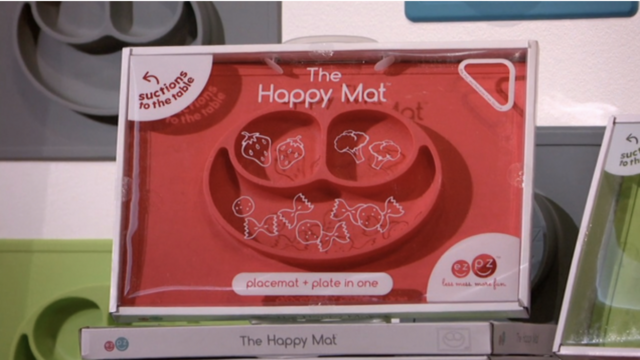
Kids often knock over or throw their plates while eating, leaving parents with a big mess to clean up. To stop this, Lindsey Laurain created ezpz No Mess Happy Mat, a placemat with a built-in plate that sticks to the table, so kids can’t tip it over. It keeps food in place and makes mealtime less stressful for parents. Let’s see how the negotiations go for Lindsey in our ezpz update and pitch recap.
If you’re short on time, here’s a quick overview of what happened to Ezpz after
Lindsey entered
In terms of an Ezpz update, the company faced criticism after
| Shark | Result |
| Kevin O’Leary | $1 million for 5% equity |
| Barbara Corcoran | $1 million for 5% equity |
| Lori Greiner | No offer |
| Robert Herjavec | No offer |
| Mark Cuban | No offer |
Shark Tank Ezpz Pitch
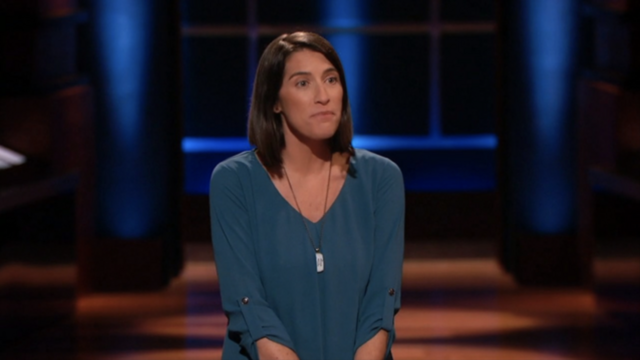
- Entrepreneur: Lindsey Laurain
- Business: Silicone meal mats for toddlers
- Ask: $1 million for 5% equity
- Result: No deal
- Sharks: None
Lindsey entered
The sharks reacted immediately. Robert Herjavec and Mark Cuban were visibly shocked.
- All-in-one placemat + plate contains the mess
- Placemat suctions to any flat surface to reduce tipped bowls / plates
- Mat fits most highchair trays, including 'space saver' models
- Promotes self-feeding and develops fine motor skills

Despite their skepticism, Lindsey remained confident and introduced her product—the Happy Mat, a silicone placemat with built-in suction to prevent spills.
To demonstrate, she played a video showing her children making a mess during mealtime. Then, another clip showed the Happy Mat in use.
The sharks found the product interesting when she handed out samples. Lindsey shared her costs, each mat costs $6 to make, wholesales for $12.50, and retails for $24.95.
Kevin O’Leary wanted to know about sales. Lindsey revealed she had made $1.2 million so far and projected $20 million by year-end.
However, she admitted that in Nordstrom stores, she had only sold about 500 mats per location.
Kevin questioned how these numbers could justify a $20 million valuation.
Lindsey, confident in her business, admitted she had originally considered an even higher valuation. The sharks were stunned.
Trying to steer the conversation back in her favor, she mentioned attending a major baby products convention in Europe. She claimed 400 international distributors had shown interest.
Lori Greiner asked about patents. Lindsey admitted the patent was still pending. The sharks immediately grew concerned.
Robert then asked about profitability. Lindsey initially claimed 50% margins, but when pressed, she admitted her actual profit was only 14%, meaning just $140,000 from her $1.2 million in sales.
Robert pointed out how far this was from justifying a $20 million valuation.
Lindsey argued that her numbers were based on five-year projections. Robert dismissed this as unrealistic.
Kevin’s patience wore thin. He warned Lindsey that he had been trying to be kind before “eviscerating” her. She looked visibly shaken.
She tried to regain ground by mentioning Buy Buy Baby as a retail partner. But when Lori asked for confirmation, Lindsey admitted the product wasn’t in their stores yet. This further hurt her credibility.
Robert had heard enough. He dropped out, saying her valuation made no sense. Lori followed, agreeing the number was too high. Mark also refused to make a deal.
Kevin offered $1 million for 5% equity, on the condition that if she didn’t hit $10 million in sales within a year, his stake would increase to 20%.
Before Lindsey could respond, Barbara Corcoran stepped in. She matched Kevin’s offer but structured it differently.
Instead of paying upfront, she would provide the $1 million in four equal yearly installments, each tied to sales targets and securing the patent.
Lindsey, clearly overwhelmed, struggled to decide. She wasn’t happy with the sharks’ valuation of her company.
In the end, she declined both offers and walked away, leaving the sharks stunned.
Now, let’s check in for an Ezpz update.
Shark Tank Ezpz Update
Our Ezpz update found that shortly after its episode aired, the company’s sales reached $1.5 million.
Ezpz secured distribution deals with major retailers, including Buy Buy Baby, Target, Nordstrom, Bed Bath & Beyond, and Crate and Kids.
By the end of 2017, Ezpz achieved its goal of $10 million in retail sales.
Building on the success of the original Happy Mat, Ezpz expanded its product offerings to include bowls, cups, and utensils designed for children.
The company also entered licensing partnerships, introducing designs featuring popular characters from Sesame Street and Peppa Pig.
In 2016, Ezpz faced a patent infringement lawsuit from Luv N’ Care Ltd. After several years of legal proceedings, the case was dismissed without prejudice in October 2019.
The brand remains strong, selling through retailers, Amazon, and their website.
At the time of writing, Ezpz is valued at approximately $20 million, with annual revenues ranging between $8 to $10 million.
We’re calling this Ezpz update a success.
For information about the other products featured in Season 7 Episode 13, take a look at our company updates below.
Before you go, be sure to check out our list of all the Shark Tank Season 7 products.

Andrew is a lifelong fan of Shark Tank and an entrepreneur at heart. He started Shark Tank Recap because he wanted a single place to track what happens to the companies, founders, and deals after they air on TV. With a sharp eye for business insights and a passion for all things Shark Tank, Andrew makes sure every recap is accurate, engaging, and fun.
- Andrew Smith
- Andrew Smith
- Andrew Smith
- Andrew Smith
- Andrew Smith
- Andrew Smith
- Andrew Smith
- Andrew Smith
- Andrew Smith
- Andrew Smith
- Andrew Smith
- Andrew Smith
- Andrew Smith
- Andrew Smith
- Andrew Smith
- Andrew Smith
- Andrew Smith
- Andrew Smith
- Andrew Smith
- Andrew Smith
- Andrew Smith
- Andrew Smith
- Andrew Smith
- Andrew Smith
- Andrew Smith
- Andrew Smith
- Andrew Smith
- Andrew Smith
- Andrew Smith
- Andrew Smith
- Andrew Smith
- Andrew Smith
- Andrew Smith
- Andrew Smith
- Andrew Smith
- Andrew Smith
- Andrew Smith
- Andrew Smith
- Andrew Smith
- Andrew Smith
- Andrew Smith
- Andrew Smith
- Andrew Smith
- Andrew Smith
- Andrew Smith
- Andrew Smith
- Andrew Smith
- Andrew Smith
- Andrew Smith
- Andrew Smith
- Andrew Smith
- Andrew Smith
- Andrew Smith
- Andrew Smith
- Andrew Smith
- Andrew Smith
- Andrew Smith
- Andrew Smith
- Andrew Smith
- Andrew Smith
- Andrew Smith
- Andrew Smith
- Andrew Smith
- Andrew Smith
- Andrew Smith
- Andrew Smith
- Andrew Smith
- Andrew Smith
- Andrew Smith
- Andrew Smith
- Andrew Smith
- Andrew Smith
- Andrew Smith
- Andrew Smith
- Andrew Smith
- Andrew Smith
- Andrew Smith
- Andrew Smith
- Andrew Smith
- Andrew Smith
- Andrew Smith
- Andrew Smith
- Andrew Smith
- Andrew Smith
- Andrew Smith
- Andrew Smith
- Andrew Smith
- Andrew Smith
- Andrew Smith
- Andrew Smith
- Andrew Smith
- Andrew Smith
- Andrew Smith
- Andrew Smith
- Andrew Smith
- Andrew Smith
- Andrew Smith
- Andrew Smith
- Andrew Smith
- Andrew Smith
- Andrew Smith
- Andrew Smith
- Andrew Smith
- Andrew Smith
- Andrew Smith
- Andrew Smith
- Andrew Smith
- Andrew Smith
- Andrew Smith
- Andrew Smith
- Andrew Smith
- Andrew Smith
- Andrew Smith
- Andrew Smith
- Andrew Smith
- Andrew Smith
- Andrew Smith
- Andrew Smith
- Andrew Smith
- Andrew Smith
- Andrew Smith
- Andrew Smith
- Andrew Smith
- Andrew Smith
- Andrew Smith
- Andrew Smith
- Andrew Smith
- Andrew Smith
- Andrew Smith
- Andrew Smith
- Andrew Smith
- Andrew Smith
- Andrew Smith
- Andrew Smith
- Andrew Smith
- Andrew Smith
- Andrew Smith
- Andrew Smith
- Andrew Smith
- Andrew Smith
- Andrew Smith
- Andrew Smith
- Andrew Smith
- Andrew Smith
- Andrew Smith
- Andrew Smith
- Andrew Smith
- Andrew Smith
- Andrew Smith
- Andrew Smith
- Andrew Smith
- Andrew Smith
- Andrew Smith
- Andrew Smith
- Andrew Smith
- Andrew Smith
- Andrew Smith
- Andrew Smith
- Andrew Smith
- Andrew Smith
- Andrew Smith
- Andrew Smith
- Andrew Smith
- Andrew Smith
- Andrew Smith
- Andrew Smith
- Andrew Smith
- Andrew Smith
- Andrew Smith
- Andrew Smith
- Andrew Smith
- Andrew Smith
- Andrew Smith
- Andrew Smith
- Andrew Smith
- Andrew Smith
- Andrew Smith
- Andrew Smith
- Andrew Smith
- Andrew Smith
- Andrew Smith
- Andrew Smith
- Andrew Smith
- Andrew Smith
- Andrew Smith
- Andrew Smith
- Andrew Smith
- Andrew Smith
- Andrew Smith
- Andrew Smith
- Andrew Smith
- Andrew Smith
- Andrew Smith
- Andrew Smith
- Andrew Smith
- Andrew Smith
- Andrew Smith
- Andrew Smith
- Andrew Smith
- Andrew Smith
- Andrew Smith
- Andrew Smith
- Andrew Smith
- Andrew Smith
- Andrew Smith
- Andrew Smith
- Andrew Smith
- Andrew Smith
- Andrew Smith
- Andrew Smith
- Andrew Smith
- Andrew Smith
- Andrew Smith
- Andrew Smith
- Andrew Smith
- Andrew Smith
- Andrew Smith
- Andrew Smith
- Andrew Smith
- Andrew Smith
- Andrew Smith
- Andrew Smith
- Andrew Smith
- Andrew Smith
- Andrew Smith
- Andrew Smith
- Andrew Smith
- Andrew Smith
- Andrew Smith
- Andrew Smith
- Andrew Smith
- Andrew Smith
- Andrew Smith
- Andrew Smith
- Andrew Smith
- Andrew Smith
- Andrew Smith
- Andrew Smith
- Andrew Smith
- Andrew Smith
- Andrew Smith
- Andrew Smith
- Andrew Smith
- Andrew Smith
- Andrew Smith
- Andrew Smith
- Andrew Smith
- Andrew Smith
- Andrew Smith
- Andrew Smith
- Andrew Smith
- Andrew Smith
- Andrew Smith
- Andrew Smith
- Andrew Smith
- Andrew Smith
- Andrew Smith
- Andrew Smith
- Andrew Smith
- Andrew Smith
- Andrew Smith
- Andrew Smith
- Andrew Smith
- Andrew Smith
- Andrew Smith
- Andrew Smith
- Andrew Smith
- Andrew Smith
- Andrew Smith
- Andrew Smith
- Andrew Smith
- Andrew Smith
- Andrew Smith
- Andrew Smith
- Andrew Smith
- Andrew Smith
- Andrew Smith
- Andrew Smith
- Andrew Smith
- Andrew Smith
- Andrew Smith
- Andrew Smith
- Andrew Smith
- Andrew Smith
- Andrew Smith
- Andrew Smith
- Andrew Smith
- Andrew Smith
- Andrew Smith
- Andrew Smith
- Andrew Smith
- Andrew Smith
- Andrew Smith
- Andrew Smith
- Andrew Smith
- Andrew Smith
- Andrew Smith
- Andrew Smith
- Andrew Smith
- Andrew Smith
- Andrew Smith
- Andrew Smith
- Andrew Smith
- Andrew Smith
- Andrew Smith
- Andrew Smith
- Andrew Smith
- Andrew Smith
- Andrew Smith
- Andrew Smith
- Andrew Smith
- Andrew Smith
- Andrew Smith
- Andrew Smith
- Andrew Smith
- Andrew Smith
- Andrew Smith
- Andrew Smith
- Andrew Smith
- Andrew Smith
- Andrew Smith
- Andrew Smith
- Andrew Smith
- Andrew Smith
- Andrew Smith
- Andrew Smith
- Andrew Smith
- Andrew Smith
- Andrew Smith
- Andrew Smith
- Andrew Smith
- Andrew Smith
- Andrew Smith
- Andrew Smith
- Andrew Smith
- Andrew Smith
- Andrew Smith
- Andrew Smith
- Andrew Smith
- Andrew Smith
- Andrew Smith
- Andrew Smith
- Andrew Smith
- Andrew Smith
- Andrew Smith
- Andrew Smith
- Andrew Smith
- Andrew Smith
- Andrew Smith
- Andrew Smith
- Andrew Smith
- Andrew Smith
- Andrew Smith
- Andrew Smith
- Andrew Smith
- Andrew Smith
- Andrew Smith
- Andrew Smith
- Andrew Smith
- Andrew Smith
- Andrew Smith
- Andrew Smith
- Andrew Smith
- Andrew Smith
- Andrew Smith
- Andrew Smith
- Andrew Smith
- Andrew Smith
- Andrew Smith
- Andrew Smith
- Andrew Smith
- Andrew Smith
- Andrew Smith
- Andrew Smith
- Andrew Smith
- Andrew Smith
- Andrew Smith
- Andrew Smith
- Andrew Smith
- Andrew Smith
- Andrew Smith
- Andrew Smith
- Andrew Smith
- Andrew Smith
- Andrew Smith
- Andrew Smith
- Andrew Smith
- Andrew Smith
- Andrew Smith
- Andrew Smith
- Andrew Smith
- Andrew Smith
- Andrew Smith
- Andrew Smith
- Andrew Smith
- Andrew Smith
- Andrew Smith
- Andrew Smith
- Andrew Smith
- Andrew Smith
- Andrew Smith
- Andrew Smith
- Andrew Smith
- Andrew Smith
- Andrew Smith
- Andrew Smith
- Andrew Smith
- Andrew Smith
- Andrew Smith
- Andrew Smith
- Andrew Smith
- Andrew Smith
- Andrew Smith
- Andrew Smith
- Andrew Smith
- Andrew Smith
- Andrew Smith
- Andrew Smith
- Andrew Smith
- Andrew Smith
- Andrew Smith
- Andrew Smith
- Andrew Smith
- Andrew Smith
- Andrew Smith
- Andrew Smith
- Andrew Smith
- Andrew Smith
- Andrew Smith
- Andrew Smith
- Andrew Smith
- Andrew Smith
- Andrew Smith
- Andrew Smith
- Andrew Smith
- Andrew Smith
- Andrew Smith
- Andrew Smith
- Andrew Smith
- Andrew Smith
- Andrew Smith
- Andrew Smith
- Andrew Smith
- Andrew Smith
- Andrew Smith
- Andrew Smith
- Andrew Smith
- Andrew Smith
- Andrew Smith
- Andrew Smith
- Andrew Smith
- Andrew Smith
- Andrew Smith
- Andrew Smith
- Andrew Smith
- Andrew Smith
- Andrew Smith
- Andrew Smith
- Andrew Smith
- Andrew Smith
- Andrew Smith
- Andrew Smith
- Andrew Smith
- Andrew Smith
- Andrew Smith
- Andrew Smith
- Andrew Smith
- Andrew Smith
- Andrew Smith
- Andrew Smith
- Andrew Smith
- Andrew Smith
- Andrew Smith
- Andrew Smith
- Andrew Smith
- Andrew Smith
- Andrew Smith
- Andrew Smith
- Andrew Smith
- Andrew Smith
- Andrew Smith
- Andrew Smith
- Andrew Smith
- Andrew Smith
- Andrew Smith
- Andrew Smith
- Andrew Smith
- Andrew Smith
- Andrew Smith
- Andrew Smith
- Andrew Smith
- Andrew Smith
- Andrew Smith
- Andrew Smith
- Andrew Smith
- Andrew Smith
- Andrew Smith
- Andrew Smith
- Andrew Smith
- Andrew Smith
- Andrew Smith
- Andrew Smith
- Andrew Smith
- Andrew Smith
- Andrew Smith
- Andrew Smith
- Andrew Smith
- Andrew Smith
- Andrew Smith
- Andrew Smith
- Andrew Smith
- Andrew Smith
- Andrew Smith
- Andrew Smith
- Andrew Smith
- Andrew Smith
- Andrew Smith
- Andrew Smith
- Andrew Smith
- Andrew Smith
- Andrew Smith
- Andrew Smith
- Andrew Smith
- Andrew Smith
- Andrew Smith
- Andrew Smith
- Andrew Smith
- Andrew Smith
- Andrew Smith
- Andrew Smith
- Andrew Smith
- Andrew Smith
- Andrew Smith
- Andrew Smith
- Andrew Smith
- Andrew Smith
- Andrew Smith
- Andrew Smith
- Andrew Smith
- Andrew Smith
- Andrew Smith
- Andrew Smith
- Andrew Smith
- Andrew Smith
- Andrew Smith
- Andrew Smith
- Andrew Smith
- Andrew Smith
- Andrew Smith
- Andrew Smith
- Andrew Smith
- Andrew Smith
- Andrew Smith
- Andrew Smith
- Andrew Smith
- Andrew Smith
- Andrew Smith
- Andrew Smith
- Andrew Smith
- Andrew Smith
- Andrew Smith
- Andrew Smith
- Andrew Smith
- Andrew Smith
- Andrew Smith
- Andrew Smith
- Andrew Smith
- Andrew Smith
- Andrew Smith
- Andrew Smith
- Andrew Smith
- Andrew Smith
- Andrew Smith
- Andrew Smith
- Andrew Smith
- Andrew Smith
- Andrew Smith
- Andrew Smith
- Andrew Smith
- Andrew Smith
- Andrew Smith
- Andrew Smith
- Andrew Smith
- Andrew Smith
- Andrew Smith
- Andrew Smith
- Andrew Smith
- Andrew Smith
- Andrew Smith
- Andrew Smith
- Andrew Smith
- Andrew Smith
- Andrew Smith
- Andrew Smith
- Andrew Smith
- Andrew Smith
- Andrew Smith
- Andrew Smith
- Andrew Smith
- Andrew Smith
- Andrew Smith
- Andrew Smith
- Andrew Smith
- Andrew Smith
- Andrew Smith
- Andrew Smith
- Andrew Smith
- Andrew Smith
- Andrew Smith
- Andrew Smith
- Andrew Smith
- Andrew Smith
- Andrew Smith
- Andrew Smith
- Andrew Smith
- Andrew Smith
- Andrew Smith
- Andrew Smith
- Andrew Smith
- Andrew Smith
- Andrew Smith
- Andrew Smith
- Andrew Smith
- Andrew Smith
- Andrew Smith
- Andrew Smith
- Andrew Smith
- Andrew Smith
- Andrew Smith
- Andrew Smith
- Andrew Smith
- Andrew Smith
- Andrew Smith
- Andrew Smith
- Andrew Smith
- Andrew Smith
- Andrew Smith
- Andrew Smith
- Andrew Smith
- Andrew Smith
- Andrew Smith
- Andrew Smith
- Andrew Smith
- Andrew Smith
- Andrew Smith
- Andrew Smith
- Andrew Smith