

BrellaBox Umbrella Rental Update | Shark Tank Season 7
Caught in a sudden downpour on the streets of New York City, Anusha Kambhampaty and John O’Connor saw people scrambling to buy cheap umbrellas that broke within minutes. That experience led them to create BrellaBox—a vending machine service that rents out durable umbrellas in high-traffic areas. It gives people a quick, reliable option while cutting down on waste. Will the sharks think it’s a smart way to stay dry? Let’s find out in our BrellaBox update and pitch recap.
If you’re short on time, here’s a quick overview of what happened to BrellaBox after
Anusha and John pitched their umbrella rental box on
In terms of a BrellaBox update, the company focused on improving its product and expanding trials after
| Shark | Result |
| Kevin O’Leary | No offer |
| Barbara Corcoran | No offer |
| Daymond John | No offer |
| Chris Sacca | No offer |
| Mark Cuban | No offer |
Shark Tank BrellaBox Pitch
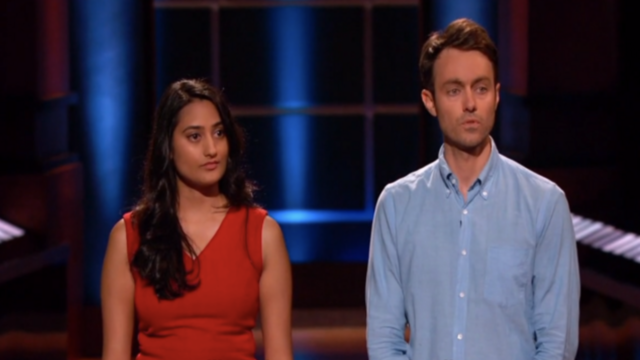
- Entrepreneurs: Anusha Kambhampaty and John O’Connor
- Business: Umbrella rental box
- Ask: $400,000 for 20% equity
- Result: No deal
- Sharks: None
Anusha and John entered
The idea was simple: help people caught in the rain without an umbrella.
Instead of buying cheap, disposable umbrellas, users could rent a high-quality one for a small fee and return it later.
BrellaBox works through self-service kiosks placed in locations like hotels, restaurants, schools, and subways.
Users access the kiosk using a credit or debit card and enter a phone number or email.
They receive return reminders and can use the app to find nearby return stations. A rental costs $1.50 for 12 hours. If the umbrella isn’t returned, the user is charged $40.
BrellaBox also allows sponsorship. Brands can advertise on the kiosks and umbrellas. The company shares revenue with host locations, such as universities.
At the time of the pitch, BrellaBox had run a pilot at a WeWork location in New York City. In three months, they logged 25 rentals across 16 rainy days.
The pilot was free for users. They had no paying customers yet but were in talks with two universities.
East Stroudsburg University expressed interest in up to 20 kiosks if the trial went well.
Each kiosk costs between $975 and $1,150, not including umbrellas. However, they partnered with a manufacturer that provided umbrellas at no cost.
They planned to cover expansion costs through brand sponsorships.
Despite having a working product and some early interest, the sharks had concerns. Kevin O’Leary called it the worst pitch he had ever seen.
Others felt the process was too complicated. Asking users to input information and return umbrellas in bad weather seemed unrealistic.
The business also had no revenue and relied heavily on future deals and sponsorships.
The sharks didn’t see a clear growth path. None of them made an offer.
While the idea addressed a real problem, the execution, cost structure, and early performance didn’t convince the sharks.
John and Anusha left without a deal.
Do you want to know what happened to BrellaBox after this? Keep reading our BrellaBox update to see how the company fared.
Shark Tank BrellaBox Update
Our BrellaBox update found that despite the setback, the founders continued pushing forward, believing in the product’s potential.
After the show, they focused on improving the design by lowering costs and reducing the kiosk size to appeal to cities and universities.
Our BrellaBox update found that one of their biggest wins came when they secured a contract with Penn State, expanding trial programs and increasing visibility in New York City.
The company aimed to make umbrella rentals more practical and scalable, but progress was slow.
Without strong revenue early on, BrellaBox struggled to attract the partnerships and growth it needed to sustain operations.
Unfortunately, in April 2018, the company officially shut down.
This will be our final BrellaBox update.
What about the other companies featured in Season 7 Episode 26? Read our other company updates for this episode by following the links below.
Before you go, be sure to check out our list of all the Shark Tank Season 7 products.

Andrew is a lifelong fan of Shark Tank and an entrepreneur at heart. He started Shark Tank Recap because he wanted a single place to track what happens to the companies, founders, and deals after they air on TV. With a sharp eye for business insights and a passion for all things Shark Tank, Andrew makes sure every recap is accurate, engaging, and fun.
- Andrew Smith
- Andrew Smith
- Andrew Smith
- Andrew Smith
- Andrew Smith
- Andrew Smith
- Andrew Smith
- Andrew Smith
- Andrew Smith
- Andrew Smith
- Andrew Smith
- Andrew Smith
- Andrew Smith
- Andrew Smith
- Andrew Smith
- Andrew Smith
- Andrew Smith
- Andrew Smith
- Andrew Smith
- Andrew Smith
- Andrew Smith
- Andrew Smith
- Andrew Smith
- Andrew Smith
- Andrew Smith
- Andrew Smith
- Andrew Smith
- Andrew Smith
- Andrew Smith
- Andrew Smith
- Andrew Smith
- Andrew Smith
- Andrew Smith
- Andrew Smith
- Andrew Smith
- Andrew Smith
- Andrew Smith
- Andrew Smith
- Andrew Smith
- Andrew Smith
- Andrew Smith
- Andrew Smith
- Andrew Smith
- Andrew Smith
- Andrew Smith
- Andrew Smith
- Andrew Smith
- Andrew Smith
- Andrew Smith
- Andrew Smith
- Andrew Smith
- Andrew Smith
- Andrew Smith
- Andrew Smith
- Andrew Smith
- Andrew Smith
- Andrew Smith
- Andrew Smith
- Andrew Smith
- Andrew Smith
- Andrew Smith
- Andrew Smith
- Andrew Smith
- Andrew Smith
- Andrew Smith
- Andrew Smith
- Andrew Smith
- Andrew Smith
- Andrew Smith
- Andrew Smith
- Andrew Smith
- Andrew Smith
- Andrew Smith
- Andrew Smith
- Andrew Smith
- Andrew Smith
- Andrew Smith
- Andrew Smith
- Andrew Smith
- Andrew Smith
- Andrew Smith
- Andrew Smith
- Andrew Smith
- Andrew Smith
- Andrew Smith
- Andrew Smith
- Andrew Smith
- Andrew Smith
- Andrew Smith
- Andrew Smith
- Andrew Smith
- Andrew Smith
- Andrew Smith
- Andrew Smith
- Andrew Smith
- Andrew Smith
- Andrew Smith
- Andrew Smith
- Andrew Smith
- Andrew Smith
- Andrew Smith
- Andrew Smith
- Andrew Smith
- Andrew Smith
- Andrew Smith
- Andrew Smith
- Andrew Smith
- Andrew Smith
- Andrew Smith
- Andrew Smith
- Andrew Smith
- Andrew Smith
- Andrew Smith
- Andrew Smith
- Andrew Smith
- Andrew Smith
- Andrew Smith
- Andrew Smith
- Andrew Smith
- Andrew Smith
- Andrew Smith
- Andrew Smith
- Andrew Smith
- Andrew Smith
- Andrew Smith
- Andrew Smith
- Andrew Smith
- Andrew Smith
- Andrew Smith
- Andrew Smith
- Andrew Smith
- Andrew Smith
- Andrew Smith
- Andrew Smith
- Andrew Smith
- Andrew Smith
- Andrew Smith
- Andrew Smith
- Andrew Smith
- Andrew Smith
- Andrew Smith
- Andrew Smith
- Andrew Smith
- Andrew Smith
- Andrew Smith
- Andrew Smith
- Andrew Smith
- Andrew Smith
- Andrew Smith
- Andrew Smith
- Andrew Smith
- Andrew Smith
- Andrew Smith
- Andrew Smith
- Andrew Smith
- Andrew Smith
- Andrew Smith
- Andrew Smith
- Andrew Smith
- Andrew Smith
- Andrew Smith
- Andrew Smith
- Andrew Smith
- Andrew Smith
- Andrew Smith
- Andrew Smith
- Andrew Smith
- Andrew Smith
- Andrew Smith
- Andrew Smith
- Andrew Smith
- Andrew Smith
- Andrew Smith
- Andrew Smith
- Andrew Smith
- Andrew Smith
- Andrew Smith
- Andrew Smith
- Andrew Smith
- Andrew Smith
- Andrew Smith
- Andrew Smith
- Andrew Smith
- Andrew Smith
- Andrew Smith
- Andrew Smith
- Andrew Smith
- Andrew Smith
- Andrew Smith
- Andrew Smith
- Andrew Smith
- Andrew Smith
- Andrew Smith
- Andrew Smith
- Andrew Smith
- Andrew Smith
- Andrew Smith
- Andrew Smith
- Andrew Smith
- Andrew Smith
- Andrew Smith
- Andrew Smith
- Andrew Smith
- Andrew Smith
- Andrew Smith
- Andrew Smith
- Andrew Smith
- Andrew Smith
- Andrew Smith
- Andrew Smith
- Andrew Smith
- Andrew Smith
- Andrew Smith
- Andrew Smith
- Andrew Smith
- Andrew Smith
- Andrew Smith
- Andrew Smith
- Andrew Smith
- Andrew Smith
- Andrew Smith
- Andrew Smith
- Andrew Smith
- Andrew Smith
- Andrew Smith
- Andrew Smith
- Andrew Smith
- Andrew Smith
- Andrew Smith
- Andrew Smith
- Andrew Smith
- Andrew Smith
- Andrew Smith
- Andrew Smith
- Andrew Smith
- Andrew Smith
- Andrew Smith
- Andrew Smith
- Andrew Smith
- Andrew Smith
- Andrew Smith
- Andrew Smith
- Andrew Smith
- Andrew Smith
- Andrew Smith
- Andrew Smith
- Andrew Smith
- Andrew Smith
- Andrew Smith
- Andrew Smith
- Andrew Smith
- Andrew Smith
- Andrew Smith
- Andrew Smith
- Andrew Smith
- Andrew Smith
- Andrew Smith
- Andrew Smith
- Andrew Smith
- Andrew Smith
- Andrew Smith
- Andrew Smith
- Andrew Smith
- Andrew Smith
- Andrew Smith
- Andrew Smith
- Andrew Smith
- Andrew Smith
- Andrew Smith
- Andrew Smith
- Andrew Smith
- Andrew Smith
- Andrew Smith
- Andrew Smith
- Andrew Smith
- Andrew Smith
- Andrew Smith
- Andrew Smith
- Andrew Smith
- Andrew Smith
- Andrew Smith
- Andrew Smith
- Andrew Smith
- Andrew Smith
- Andrew Smith
- Andrew Smith
- Andrew Smith
- Andrew Smith
- Andrew Smith
- Andrew Smith
- Andrew Smith
- Andrew Smith
- Andrew Smith
- Andrew Smith
- Andrew Smith
- Andrew Smith
- Andrew Smith
- Andrew Smith
- Andrew Smith
- Andrew Smith
- Andrew Smith
- Andrew Smith
- Andrew Smith
- Andrew Smith
- Andrew Smith
- Andrew Smith
- Andrew Smith
- Andrew Smith
- Andrew Smith
- Andrew Smith
- Andrew Smith
- Andrew Smith
- Andrew Smith
- Andrew Smith
- Andrew Smith
- Andrew Smith
- Andrew Smith
- Andrew Smith
- Andrew Smith
- Andrew Smith
- Andrew Smith
- Andrew Smith
- Andrew Smith
- Andrew Smith
- Andrew Smith
- Andrew Smith
- Andrew Smith
- Andrew Smith
- Andrew Smith
- Andrew Smith
- Andrew Smith
- Andrew Smith
- Andrew Smith
- Andrew Smith
- Andrew Smith
- Andrew Smith
- Andrew Smith
- Andrew Smith
- Andrew Smith
- Andrew Smith
- Andrew Smith
- Andrew Smith
- Andrew Smith
- Andrew Smith
- Andrew Smith
- Andrew Smith
- Andrew Smith
- Andrew Smith
- Andrew Smith
- Andrew Smith
- Andrew Smith
- Andrew Smith
- Andrew Smith
- Andrew Smith
- Andrew Smith
- Andrew Smith
- Andrew Smith
- Andrew Smith
- Andrew Smith
- Andrew Smith
- Andrew Smith
- Andrew Smith
- Andrew Smith
- Andrew Smith
- Andrew Smith
- Andrew Smith
- Andrew Smith
- Andrew Smith
- Andrew Smith
- Andrew Smith
- Andrew Smith
- Andrew Smith
- Andrew Smith
- Andrew Smith
- Andrew Smith
- Andrew Smith
- Andrew Smith
- Andrew Smith
- Andrew Smith
- Andrew Smith
- Andrew Smith
- Andrew Smith
- Andrew Smith
- Andrew Smith
- Andrew Smith
- Andrew Smith
- Andrew Smith
- Andrew Smith
- Andrew Smith
- Andrew Smith
- Andrew Smith
- Andrew Smith
- Andrew Smith
- Andrew Smith
- Andrew Smith
- Andrew Smith
- Andrew Smith
- Andrew Smith
- Andrew Smith
- Andrew Smith
- Andrew Smith
- Andrew Smith
- Andrew Smith
- Andrew Smith
- Andrew Smith
- Andrew Smith
- Andrew Smith
- Andrew Smith
- Andrew Smith
- Andrew Smith
- Andrew Smith
- Andrew Smith
- Andrew Smith
- Andrew Smith
- Andrew Smith
- Andrew Smith
- Andrew Smith
- Andrew Smith
- Andrew Smith
- Andrew Smith
- Andrew Smith
- Andrew Smith
- Andrew Smith
- Andrew Smith
- Andrew Smith
- Andrew Smith
- Andrew Smith
- Andrew Smith
- Andrew Smith
- Andrew Smith
- Andrew Smith
- Andrew Smith
- Andrew Smith
- Andrew Smith
- Andrew Smith
- Andrew Smith
- Andrew Smith
- Andrew Smith
- Andrew Smith
- Andrew Smith
- Andrew Smith
- Andrew Smith
- Andrew Smith
- Andrew Smith
- Andrew Smith
- Andrew Smith
- Andrew Smith
- Andrew Smith
- Andrew Smith
- Andrew Smith
- Andrew Smith
- Andrew Smith
- Andrew Smith
- Andrew Smith
- Andrew Smith
- Andrew Smith
- Andrew Smith
- Andrew Smith
- Andrew Smith
- Andrew Smith
- Andrew Smith
- Andrew Smith
- Andrew Smith
- Andrew Smith
- Andrew Smith
- Andrew Smith
- Andrew Smith
- Andrew Smith
- Andrew Smith
- Andrew Smith
- Andrew Smith
- Andrew Smith
- Andrew Smith
- Andrew Smith
- Andrew Smith
- Andrew Smith
- Andrew Smith
- Andrew Smith
- Andrew Smith
- Andrew Smith
- Andrew Smith
- Andrew Smith
- Andrew Smith
- Andrew Smith
- Andrew Smith
- Andrew Smith
- Andrew Smith
- Andrew Smith
- Andrew Smith
- Andrew Smith
- Andrew Smith
- Andrew Smith
- Andrew Smith
- Andrew Smith
- Andrew Smith
- Andrew Smith
- Andrew Smith
- Andrew Smith
- Andrew Smith
- Andrew Smith
- Andrew Smith
- Andrew Smith
- Andrew Smith
- Andrew Smith
- Andrew Smith
- Andrew Smith
- Andrew Smith
- Andrew Smith
- Andrew Smith
- Andrew Smith
- Andrew Smith
- Andrew Smith
- Andrew Smith
- Andrew Smith
- Andrew Smith
- Andrew Smith
- Andrew Smith
- Andrew Smith
- Andrew Smith
- Andrew Smith
- Andrew Smith
- Andrew Smith
- Andrew Smith
- Andrew Smith
- Andrew Smith
- Andrew Smith
- Andrew Smith
- Andrew Smith
- Andrew Smith
- Andrew Smith
- Andrew Smith
- Andrew Smith
- Andrew Smith
- Andrew Smith
- Andrew Smith
- Andrew Smith
- Andrew Smith
- Andrew Smith
- Andrew Smith
- Andrew Smith
- Andrew Smith
- Andrew Smith
- Andrew Smith
- Andrew Smith
- Andrew Smith
- Andrew Smith
- Andrew Smith
- Andrew Smith
- Andrew Smith
- Andrew Smith
- Andrew Smith
- Andrew Smith
- Andrew Smith
- Andrew Smith
- Andrew Smith
- Andrew Smith
- Andrew Smith
- Andrew Smith
- Andrew Smith
- Andrew Smith
- Andrew Smith
- Andrew Smith
- Andrew Smith
- Andrew Smith
- Andrew Smith
- Andrew Smith
- Andrew Smith
- Andrew Smith
- Andrew Smith
- Andrew Smith
- Andrew Smith
- Andrew Smith
- Andrew Smith
- Andrew Smith
- Andrew Smith
- Andrew Smith
- Andrew Smith
- Andrew Smith
- Andrew Smith
- Andrew Smith
- Andrew Smith
- Andrew Smith
- Andrew Smith
- Andrew Smith
- Andrew Smith
- Andrew Smith
- Andrew Smith
- Andrew Smith
- Andrew Smith
- Andrew Smith
- Andrew Smith
- Andrew Smith
- Andrew Smith
- Andrew Smith
- Andrew Smith
- Andrew Smith
- Andrew Smith
- Andrew Smith
- Andrew Smith
- Andrew Smith
- Andrew Smith
- Andrew Smith
- Andrew Smith
- Andrew Smith
- Andrew Smith
- Andrew Smith
- Andrew Smith
- Andrew Smith
- Andrew Smith
- Andrew Smith
- Andrew Smith
- Andrew Smith
- Andrew Smith
- Andrew Smith
- Andrew Smith
- Andrew Smith
- Andrew Smith
- Andrew Smith
- Andrew Smith
- Andrew Smith
- Andrew Smith
- Andrew Smith
- Andrew Smith
- Andrew Smith
- Andrew Smith
- Andrew Smith
- Andrew Smith
- Andrew Smith
- Andrew Smith
- Andrew Smith
- Andrew Smith
- Andrew Smith
- Andrew Smith
- Andrew Smith
- Andrew Smith
- Andrew Smith
- Andrew Smith
- Andrew Smith
- Andrew Smith
- Andrew Smith
- Andrew Smith
- Andrew Smith
- Andrew Smith
- Andrew Smith
- Andrew Smith
- Andrew Smith
- Andrew Smith